
An album for fans of jazz and electronica to savour.
Jazzland Recordings 3779705
Bugge Wesseltoft (piano, synthesisers, organ, Fender Rhodes); Oddrun Lilja (guitar); Martin Myhre Olsen (saxophone); Arild Andersen (acoustic bass, effects: Jens Mikkel Madsen (acoustic bass, electric bass); Sveinung Hovensjø (electric bass); Jon Christensen (drums and bells); Elias Tafjord, Gard Nilssen, Øyunn (drums); Sanskriti Shrestha (tablas, harp); Rohey Taalah (vocal)
Hailing from Norway, Bugge Wesseltoft is described as one of the pioneers of nu-jazz, a combination of jazz and electronic music. The keyboardist/composer/producer has had a long and varied career, playing with many fellow Norwegian jazz musicians including, Jan Garbarek, Terje Rypdal and Nils Petter Molvaer. He has also formed his own jazz label, Jazzland Recordings.
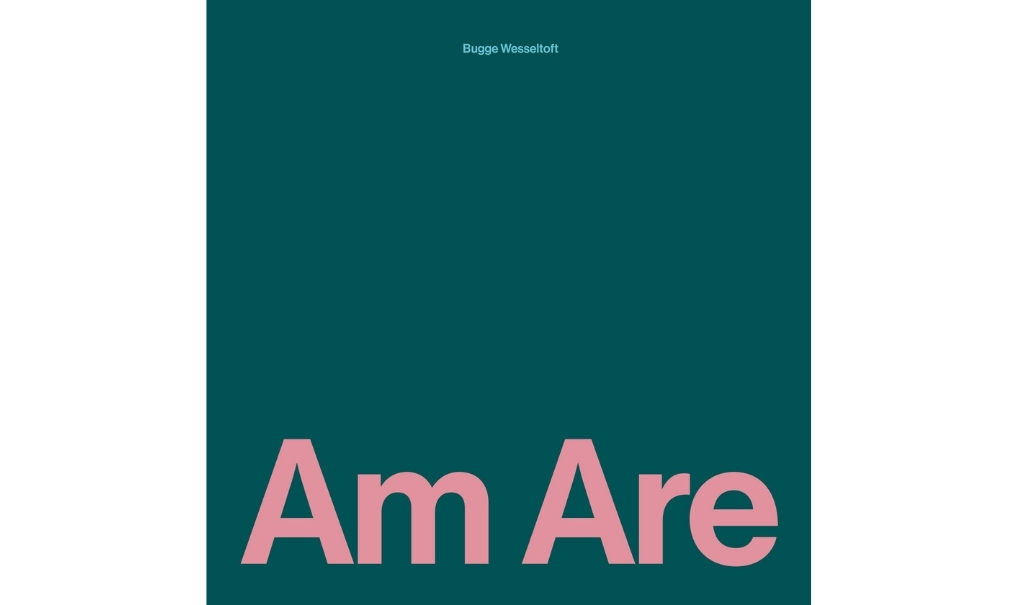
His last solo album, released in 2022, was called Be Am, this latest release continues the trend for quirky two-word titles (what next? Go Am?). He also likes mixing upper and lower case letters in his song titles – the closing number is called ‘Think aHeaD’.
The album features ten tunes all composed or co-composed by Wesseltoft, and played by a variety of musical combinations that includes solo, duet and standard and non-standard trio configurations. Two trio numbers, performed with electric bassist Sveinung Hovensjø and drummer Jon Christensen were the outcome of improvised performances recorded at Wesseltoft’s home studio a decade ago.
But Wesseltoft starts off the album alone, playing solo piano and synthesiser on the opening number ‘How?’ The musical soundscape sculptured by him is atmospheric, spacious and minimalist, with soft, reverberating synthesised sounds underscoring a slow piano motif, and creating a feeling of calmness and serenity. ‘ReiN’ (that’s how it’s spelt by the composer) is a duo piece that has drummer Elias Tafjord’s pounding drums joined by synthesised lines that sound like the drone from a sitar, warbling electronic sounds and fast-flowing piano. Midway through, the sound softens and the volume falls, suggesting that the piece is close to its conclusion, but don’t be fooled; the sound picks up again, culminating with piano and drums building up to a feverish pitch at the coda.
The album’s sole vocal performance features a trio line-up – Wesseltoft on piano, Martin Myhre Olsen on saxophone, and Norwegian jazz singer Rohey Taalah. It’s one of those songs where the sound and the lyrics are in contradiction with each other. The tune has a simple jaunty theme played on piano and what sounds like a synth bass (although it’s not listed in the song credits). Taalah has a fine, soulful voice and her intonation on this song reminded this listener of the late Amy Winehouse ‘Can anyone hear my cry?’ Taalah sings at one point. It’s a moving performance, with some sweetening provided by Olsen’s saxophone.
‘BAG’ is a vibrant number featuring a trio line-up, with Wesseltoft on piano and synthesiser, Arild Andersen playing double bass, and drummer Gard Nilssen. The song’s sound and feel is reminiscent of the jazz trio EST. Andersen lays down a meaty bass solo, paving the way for Wesseltoft’s spiky piano solo, who in turn plays a vamp for Nilssen to solo over. It’s one of the best pieces on the album.
The same trio play on the following tune ‘Reel’,’ a slow, creeping number that opens with a bass solo, accompanied by tinkling bells and cymbals. Wesseltoft plays a measured, repeated piano riff, and Nilssen a slow, steady drum pattern.
‘Render’ has a different standard trio line-up, this time featuring Wesseltoft on Fender Rhodes and synthesiser, Sveinung Hovensjø, electric bass, and drummer Jon Christensen. It’s an abstract piece with crashing bells and cymbals combining with tinkling, rippling sounds from an electric piano and a mix of electronic sounds (one of which sounds like fuzz electric guitar). It’s like slow-moving waves of sound crashing against your ears. I loved this piece.
The same trio play on ‘Vender,’ another abstract number, which sounds like a continuation of ‘Render.’ JazzBasill’ introduces another trio – this time Wesseltoft plays piano with double bassist Jens Mikkel Madsen and drummer Øyunn (aka Siv Øyunn Kjenstad). It’s an interesting piece, suite-like in construction, with various time signatures that see it switching from midtempo jazz to slow blues to jazz-swing. It certainly keeps the musicians on their toes.
The same trio play on the album’s title track, a piano-led, tender ballad, although Madsen switches to electric bass on this number. At around the 3:30 mark, Wesseltoft plays a lovely, undulating riff on piano, supported with great sensitivity by bass and drums.
The closer ‘Think aHeaD’ offers up another trio line-up. Wesseltoft plays piano and organ, Oddrun Lilja, guitar, and Sanskriti Shrestha is on tablas and harp. Shrestha is a young Nepalese tabla player (she’s 35) based in Oslo and has toured across Europe, Asia and Australia. No surprises that this song fuses jazz, electronica and Eastern music, with slow, steady tabla beats, crying guitar lines, piano and various electronic sounds combining to form of heady musical mix. The piece ends with a delicate guitar solo. An album for fans of jazz and electronica to savour.
